HUNTING

TRADITIONS

Traditions Hunting in England is an ancient tradition, which goes back to the Celtic period. In the old days, not only people took part in hunting, but also specially trained hounds brought to the country by the Romans.

In 1534, in England, in Norfolk County, farmers began hunting foxes to secure their possessions and farms.

In the second half of the 17th century, the first packs of hounds appeared, which were trained on these animals. Several decades later, wild animal shooting began to be extremely popular. In 1831, a new law allowed the hunting of rabbits and hares.

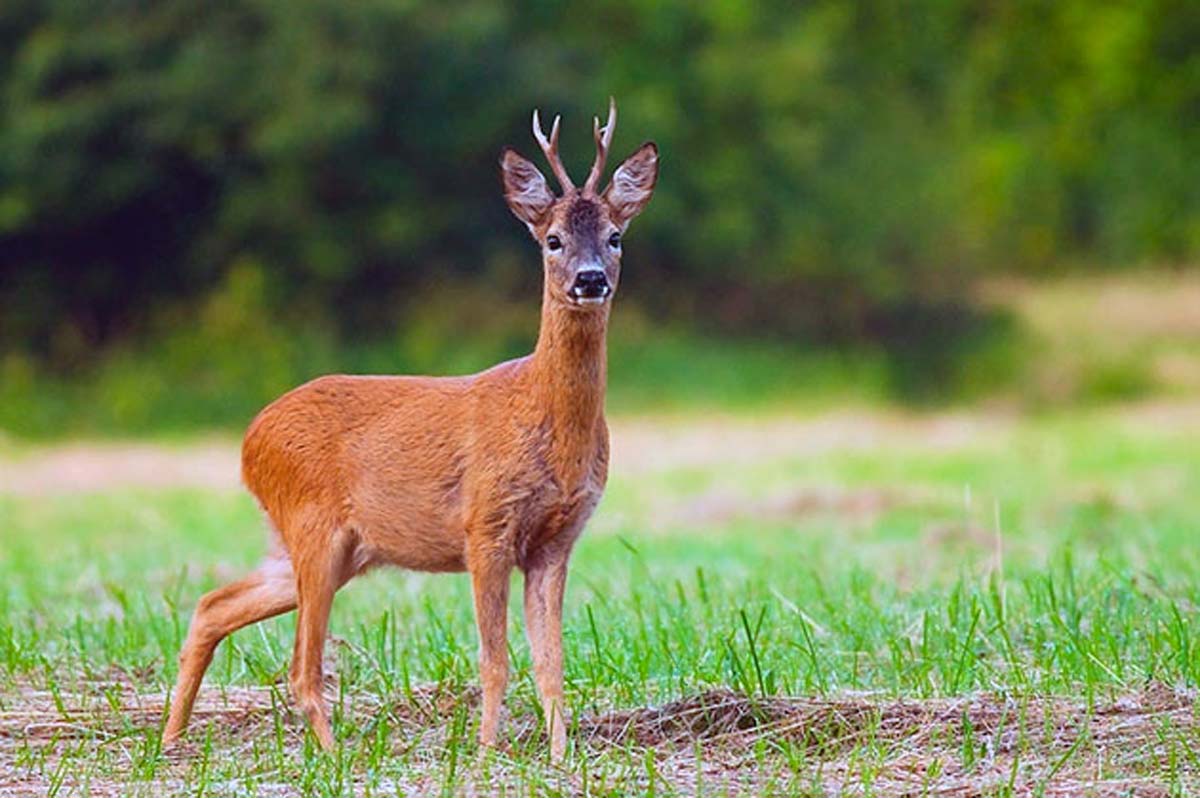
For quite a long time the ritual of hunting was predominantly a royal privilege. In England, the tradition of fox hunting with hounds existed until the end of the 20th century, while the majority of European countries already banned it by this time. Due to the activity of animal rights activists in 2005 the hunting was forbidden. Currently, only deer are allowed to be hunted in the country.

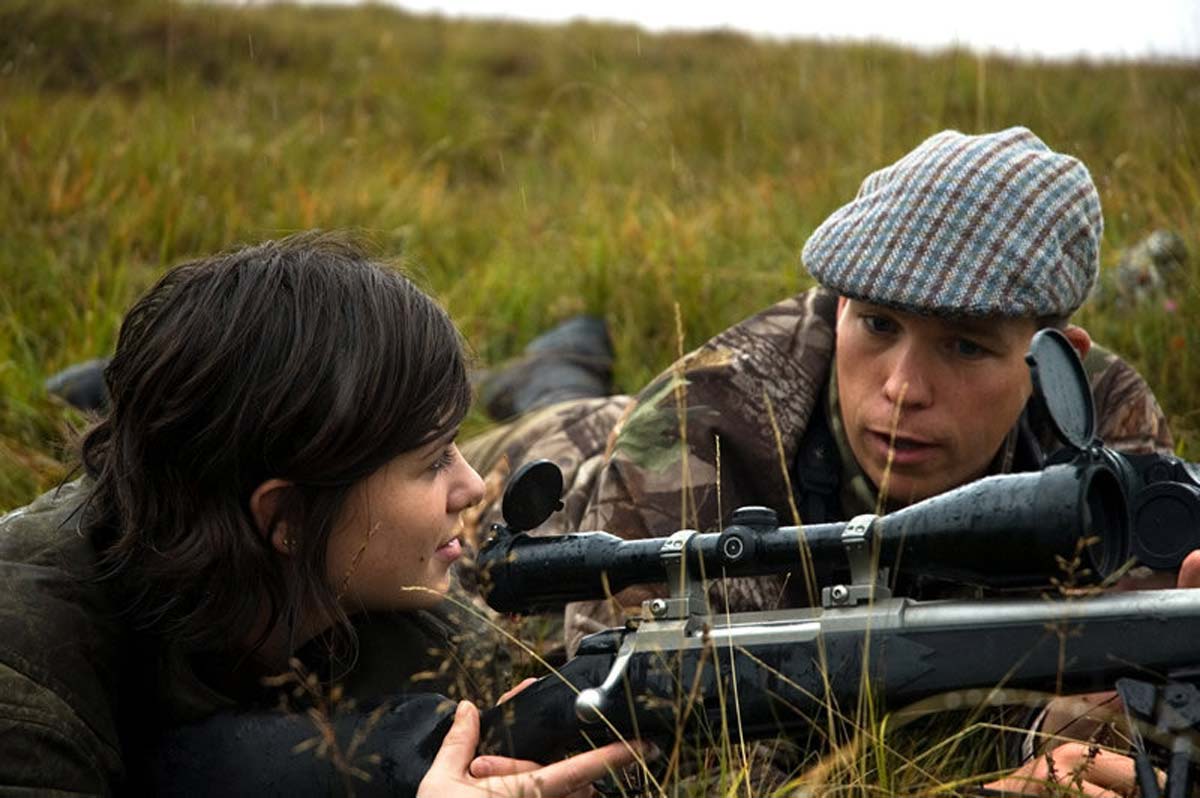
In the UK, there are several terms for different types of hunting. So, word “hunting” means, (as a rule), hunting with hounds, for example, on foxes and fur-bearing animals. While the term “shooting” is used for hunting on hares, ducks, partridges, pheasants, etc. Deer hunting is called “deer stalking”.
If you are a hunter with experience or a beginner who wants to join the British way of life, send us a request and we will help you to get all the necessary permissions and organize a hunting in the best British traditions!

It’s a long-standing tradition in the UK. England, Scotland and Wales are home to many species of deer, including local red fallow deer, and roe deer, as well as many other species from around the world, including sika deer and Chinese water deer.

Feral goats can also be hunted in the Scottish Highlands. They can be hunted during winter with a rifle and hounds. Special permission is not required – everything is decided by the local authorities.

It has long-standing tradition across the UK. The hunting season opens on the 12th of August and ends on the 1st of February.
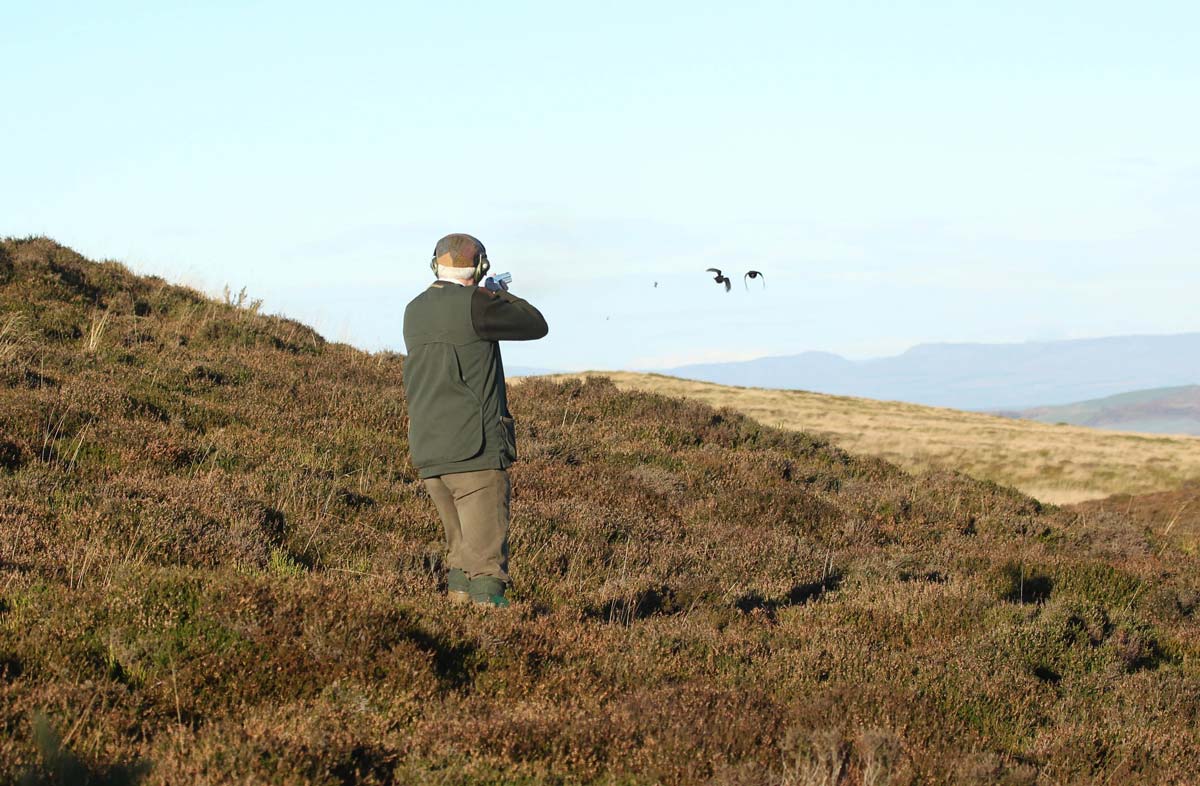
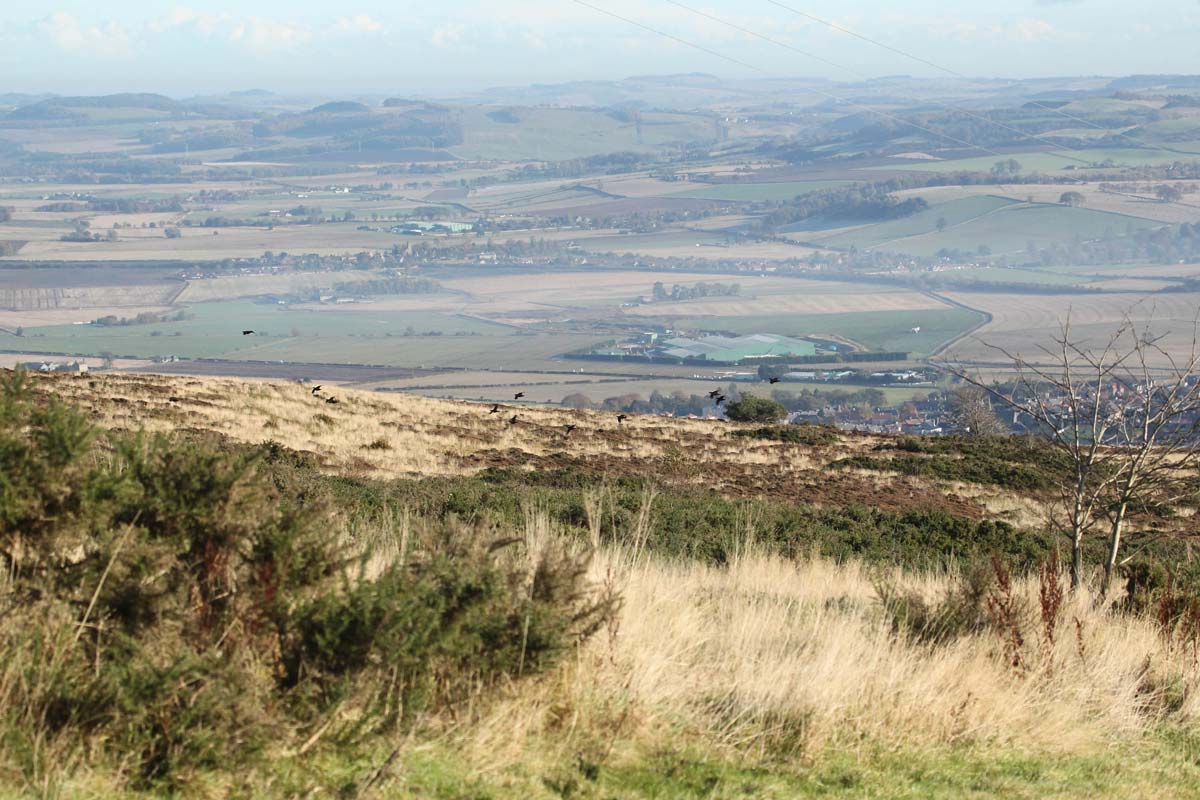
Hunting periods for each type of animals are set separately. There are also some restrictions in some counties of England and Wales. Hunting for grouse, partridge and pheasant is prohibited on Sundays and on Christmas. There is a wide diversity of feathered life in England. You can hunt here for ducks, geese, swans, snipes, quails, woodcocks, pigeons, curlews, coots, etc. During boat hunting one hunter can get up to 400 ducks and geese during the season. There are no general rules on shooting wild birds in the UK. Hunting for feathered wild birds is carried out by drive hunting or with dogs.

Up to 8 hunters and about 10 beaters can participate in the drive hunting. It is a common practice to shoot only flying feathered birds of one kind.
Therefore, it is mandatory for all participants of hunting to comply with the established rules. An experienced hunter can shoot up to 40 birds per day. The density of bird population thanks to the measures taken to protect and breed them, is very high. It is possible to get in average 5,000 of partridges or 3,000 pheasants from 2000 hectares during the season.

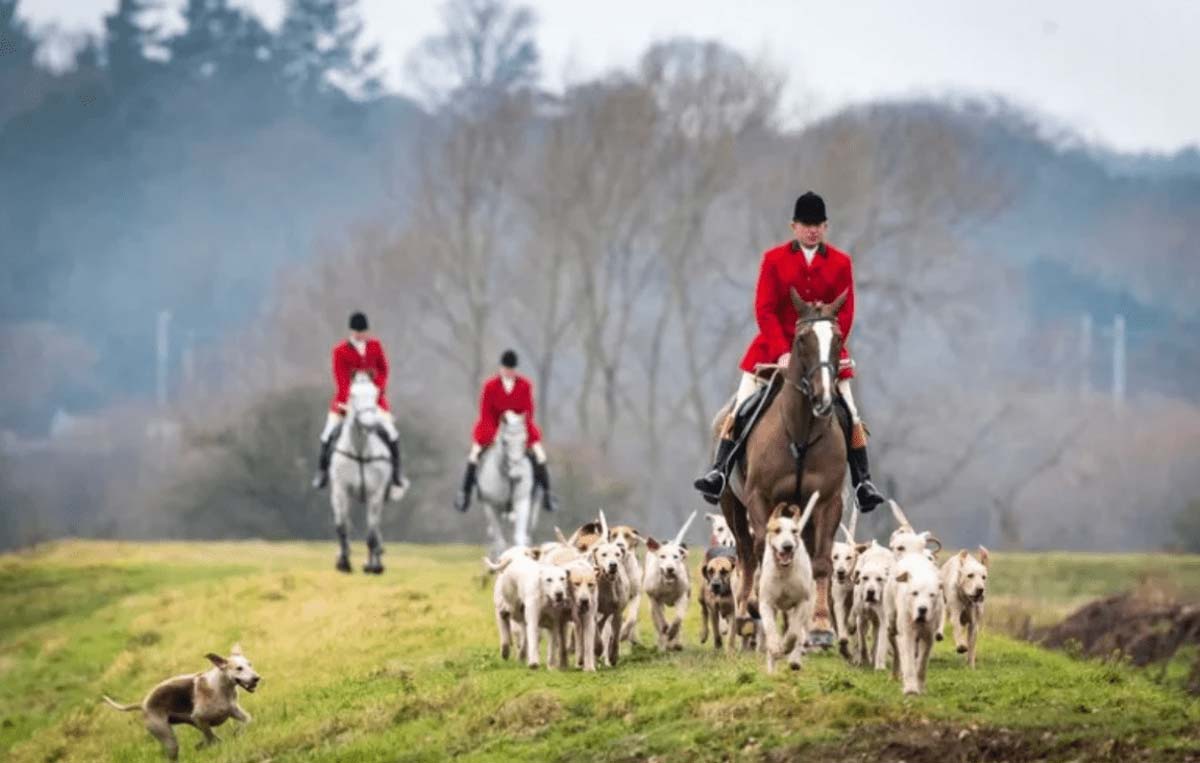
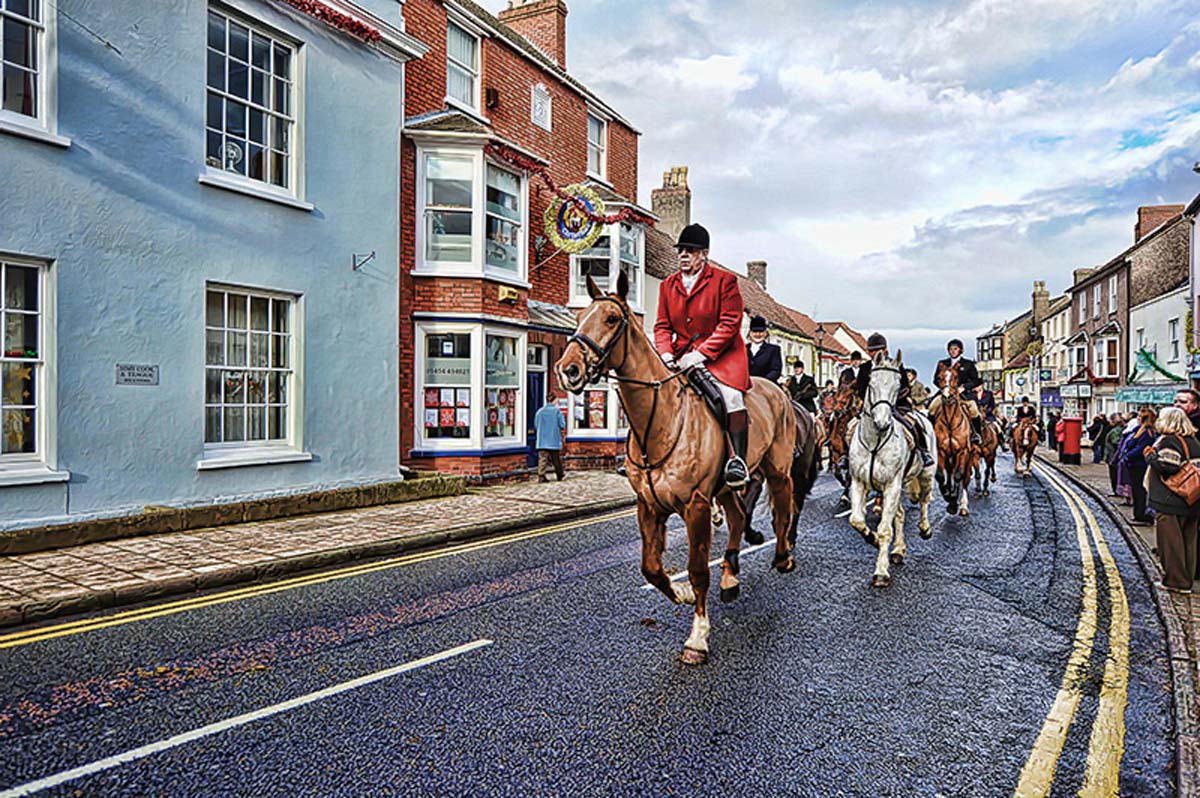
Fox hunting is organized from October to the end of March, not only with a rifle, but also on horseback. The fox is chased by hunters until it is exhausted and then it is captured. There are up to 50 horsemen and 100 hunting dogs are involved. Such a type of hunting within the same area can be conducted no more than twice a week.

In England the following types of wild animals are causing troubles to hunting farms: gray squirrels, hares, rabbits, badgers, ermines, martens, weasels, otters. Hunting of these animals and birds is allowed all year round with reward payment.

Fox hunting is organized from October to the end of March, not only with a rifle, but also on horseback. The fox is chased by hunters until it is exhausted and then it is captured. There are up to 50 horsemen and 100 hunting dogs are involved. Such a type of hunting within the same area can be conducted no more than twice a week.

In England the following types of wild animals are causing troubles to hunting farms: gray squirrels, hares, rabbits, badgers, ermines, martens, weasels, otters. Hunting of these animals and birds is allowed all year round with reward payment.

Permanent hunting grounds are mostly located in clearings of forests and accounted for 28% of the whole territory. The landowners of these land are engaged into breeding of various types of deer, wild boars, hares, rabbits, pheasants, partridges, etc.

Various Hunting clubs rent these lands from them. The head of the club is a professional hunter which is elected for 1 year. Also, these clubs hire one or three groundsmen, whose main duties are feeding animals and birds, protecting them from predators. Every year club members pay the landowner a certain amount of money per rifle (several hundred or thousands of pounds). Non-members of the club are allowed to participate in the hunt only if they pay for one and a half or two rifles.

    Send Request

    Your name *

    Phone *
    E-mail *
    Country *

    What services are you interested in?

    How did you find us?